The Most Common Health Stressors Hiding in Your Home
How to Identify the Invisible Risks Affecting Your Well-Being
By now, you’ve learned that your home can subtly influence your health, and that symptoms often appear long after exposure. But what exactly are the hidden stressors at play—and how can you spot them before they cause problems?
Many of these factors are invisible, silent, and often overlooked—even in homes that appear clean, well-maintained, or newly renovated.
1. Poor Air Quality
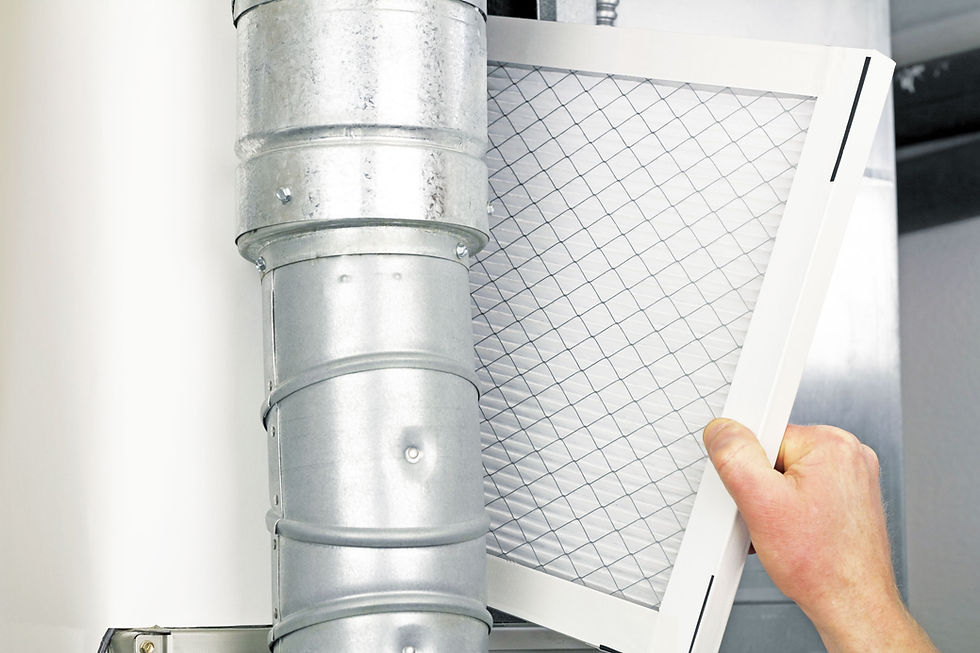
Indoor air is often more polluted than outdoor air, even in urban environments. Common contributors include:
Dust, pollen, and pet dander
Off-gassing from building materials, furniture, or cleaning products
Volatile organic compounds (VOCs) from paints, sealants, or flooring
Airborne particles from cooking or combustion appliances
Signs of poor air quality: frequent headaches, sinus irritation, fatigue, or worsening allergies.
2. Moisture and Hidden Mold
Moisture trapped in basements, crawlspaces, walls, or behind cabinetry creates an
environment for mold growth—even if it’s not visible. Mold exposure can lead to:
Respiratory issues
Chronic fatigue
Skin irritation
Increased sensitivity to allergens
Even a minor leak or condensation issue can have long-term effects on health if left unaddressed.
3. Ventilation and Airflow Problems
Homes with tight construction or poorly designed ventilation can trap pollutants, humidity, or odors, rather than removing them. Common consequences:
Stale or “heavy” air
Accumulation of allergens or particulate matter
Imbalanced indoor humidity, which can promote both mold and dust mite growth
Signs your ventilation may be underperforming include uneven temperatures, condensation on windows, or frequent stuffiness.
4. Off-Gassing Materials

Many modern materials release chemicals slowly over time. Examples include:
Laminates, pressed wood, and composite materials
New furniture or upholstery
Carpet adhesives or new flooring
Even if they are individually minor, these chemicals can accumulate indoors, subtly affecting your nervous system, respiratory system, or overall well-being.
5. Combustion Byproducts
Gas stoves, furnaces, water heaters, and even attached garages can release carbon monoxide, nitrogen dioxide, and other pollutants. Low-level exposure can contribute to:
Fatigue and headaches
Respiratory irritation
Sleep disruption
Proper ventilation, regular appliance maintenance, and monitoring can prevent harmful accumulation.
6. Hidden Pests and Microbial Growth
Rodents, insects, and bacteria can thrive in overlooked spaces like attics, crawlspaces, or behind walls. Potential effects include:

Allergic reactions
Asthma triggers
Increased exposure to bacteria and pathogens
Even if you don’t see them, these factors can significantly impact your indoor environment and health.
Recognizing Patterns Is Key
The challenge is that these stressors rarely exist in isolation. Most homes have multiple overlapping factors contributing to subtle health effects. Symptoms may fluctuate depending on:
Time spent in different rooms
Seasonal changes in humidity and ventilation
Recent renovations, furniture additions, or appliance use
Understanding your home as a system, rather than a set of individual components, is essential for identifying root causes.
Next Steps
Once you know what to look for, you can begin addressing issues strategically—rather than guessing, reacting, or spending on quick fixes that don’t target the real problem.
Important to Note
This work is informational and educational in nature. I do not diagnose medical conditions, and I do not replace licensed medical care or licensed professional services.
When appropriate, I may recommend you consult qualified professionals (medical, environmental, or building-related) for testing, remediation, or specialized guidance.


Comments